
Introducing a New Model for ICU Early Mobility
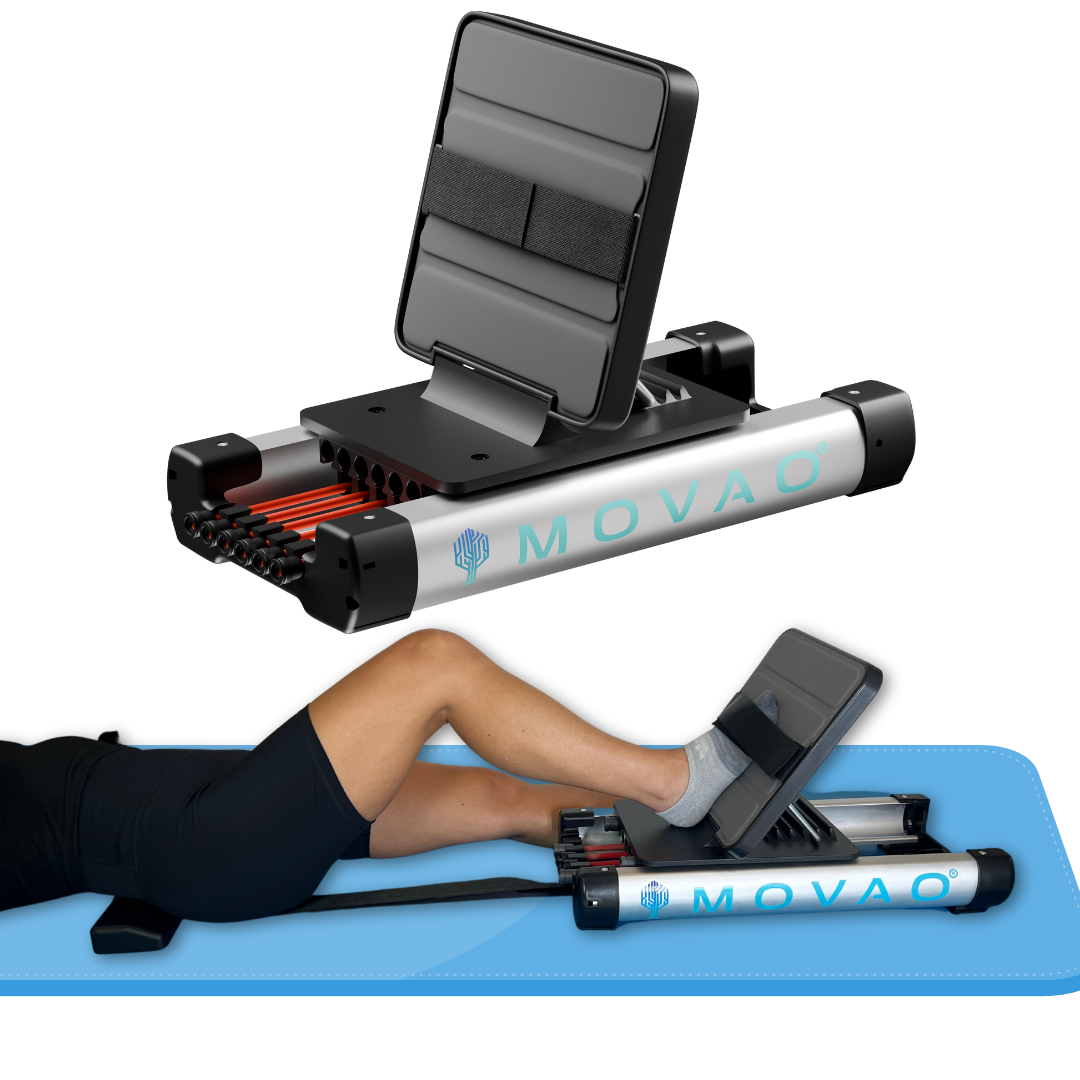
The MOVAO Bari was developed specifically to address this gap in ICU rehabilitation.
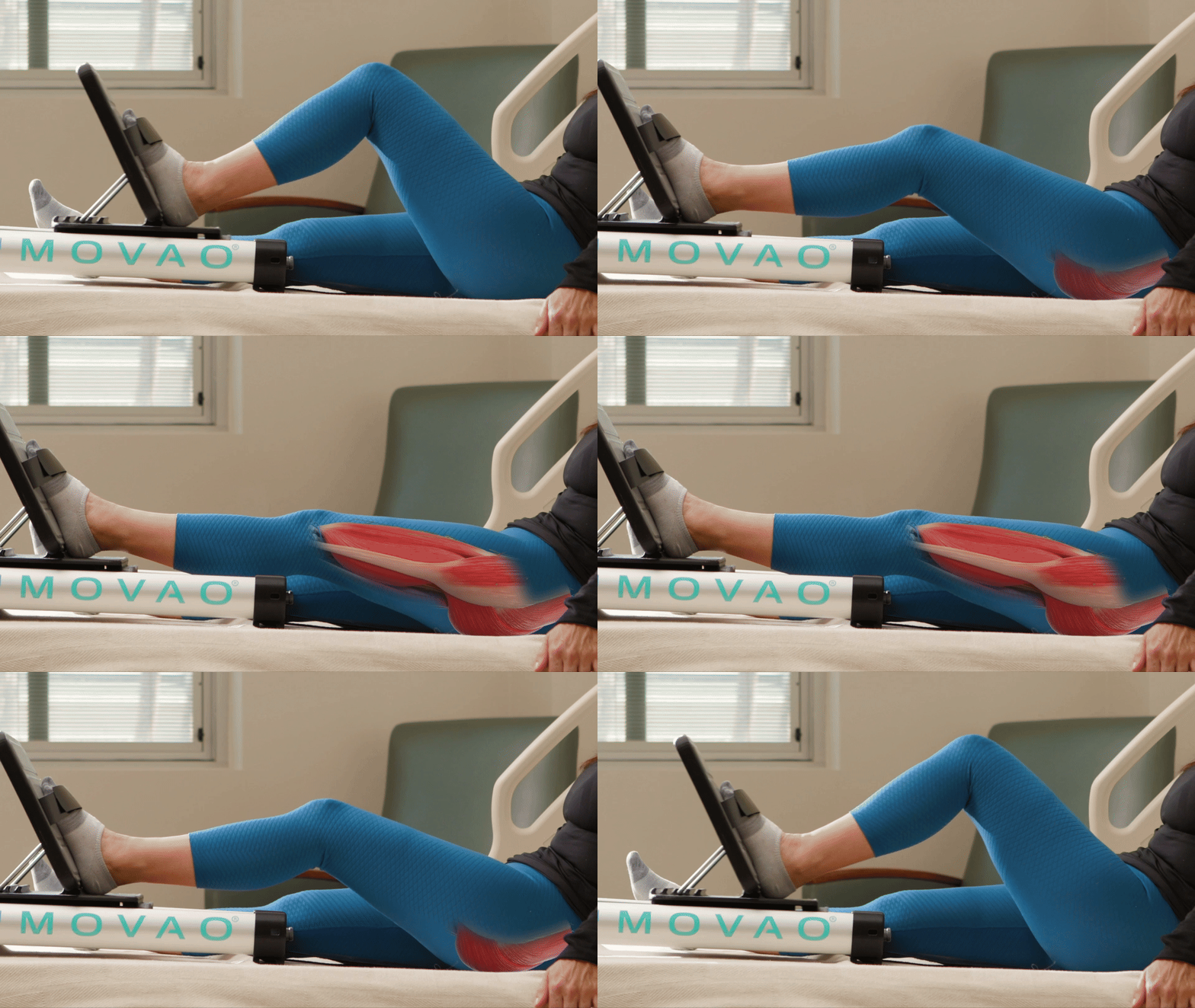
It enables early, safe, progressive mobility at the bedside, even for the most medically complex patients.
Key capabilities include:
-
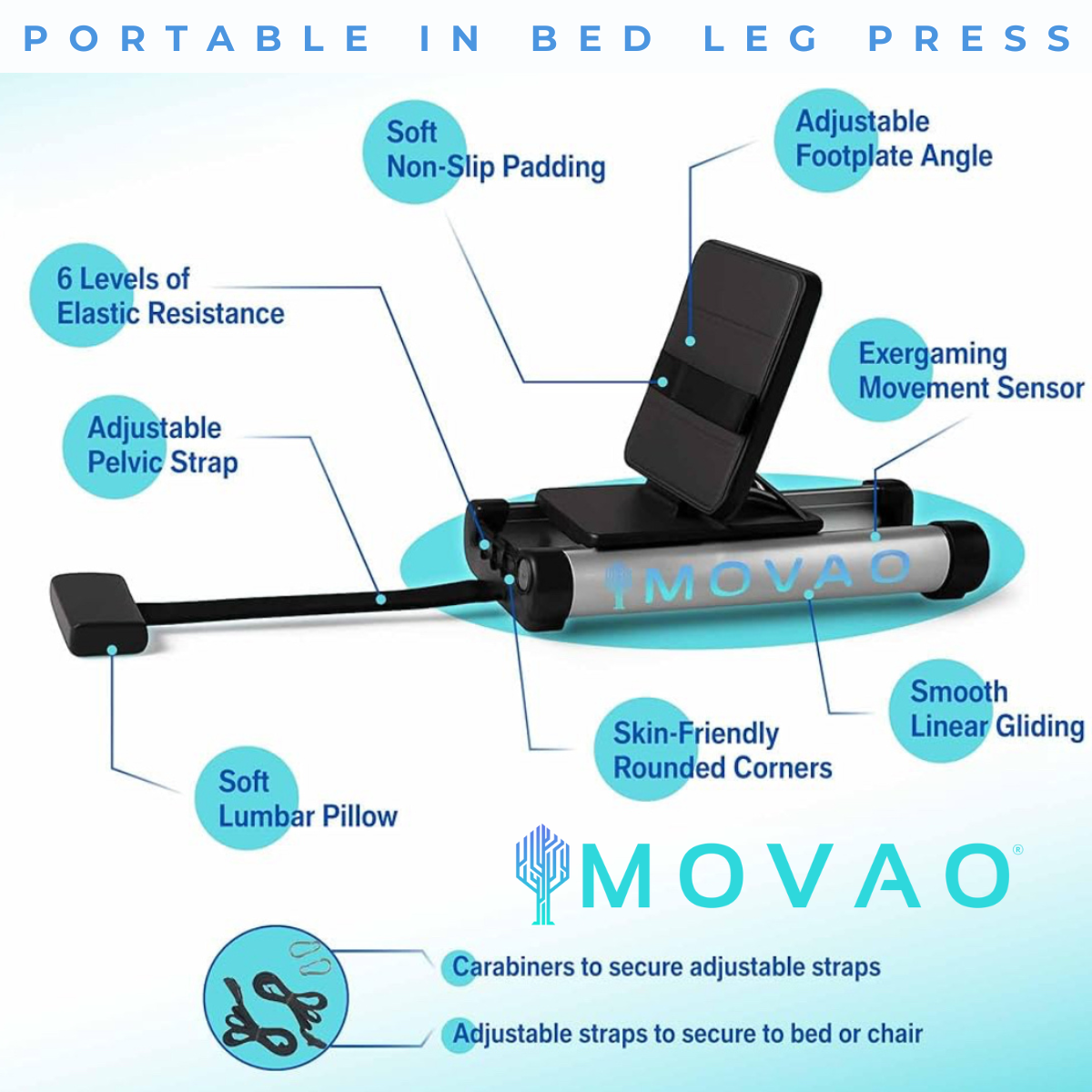
Patented bilateral force plates for objective strength measurement and real-time feedback
-
Graded weight-bearing progression from near-supine positioning to full standing
-
Support for patients with:
-
1–3/5 MMT strength
-
Body weight up to 750 lbs
-
Ventilators, femoral lines, and complex medical conditions
-
-
Designed for efficient ICU workflow, allowing one to two clinicians to safely initiate therapy
This approach allows therapy teams to begin progressive resistance training within the first 72 hours—a critical window for preventing ICU-acquired weakness.
Measurable Outcomes: Breaking the ICU Immobility Cycle
Hospitals implementing early mobility solutions like the MOVAO Bari are seeing meaningful improvements in both clinical and operational metrics:
-
Reduced ICU length of stay
-
Fewer secondary complications
-
Faster progression to ambulation and functional recovery
-
Improved documentation and justification through objective strength data
-
Safer conditions for clinical staff
By shifting from reactive to proactive rehabilitation, ICU teams can directly influence outcomes that matter—to patients, providers, and hospital systems alike.
The True Cost of Inaction in Critical Care
The assumption that “doing nothing” carries no risk is no longer defensible in modern ICU care.
In reality, immobility leads to:
-
Increased mortality risk
-
Longer hospital stays
-
Higher operational costs
-
Greater strain on clinical teams
The question is no longer whether early mobility is beneficial—it is whether healthcare systems can afford to delay it.
Take the Next Step Toward Early Mobility in the ICU
If you are a Rehabilitation Director, ICU Director, or PT/OT leader evaluating ways to reduce ICU length of stay, improve patient outcomes, and control costs, it may be time to reassess your mobility strategy.
Early, safe, and measurable mobility is no longer optional—it is essential.
Request a clinical demo, ROI summary, or rental options to see how early mobility can transform your ICU outcomes.